
Understanding Cannabis Terpenes: A Complete Guide
A deep dive into the world of cannabis terpenes, exploring how these aromatic compounds shape every strain's effects, aroma, and therapeutic potential.
Cannabis terpenes are among the most important yet overlooked compounds in the plant. While most people focus on THC and CBD percentages, terpenes play a critical role in determining how a strain smells, tastes, and ultimately makes you feel.
In this guide, we break down the major cannabis terpenes, explain the entourage effect, and help you choose strains based on their terpene profiles. Whether you are browsing our full seed collection or narrowing down by type, understanding terpenes will help you make smarter choices.
What Are Terpenes?
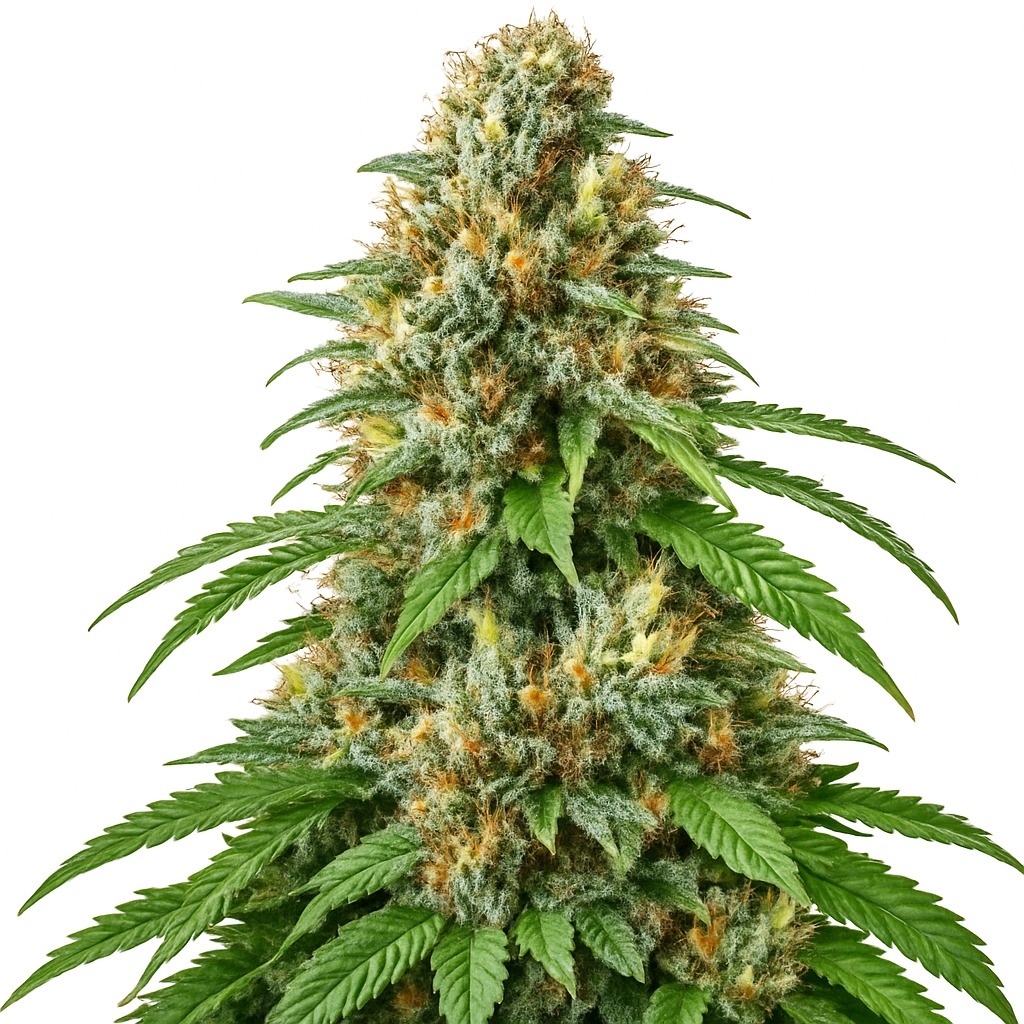
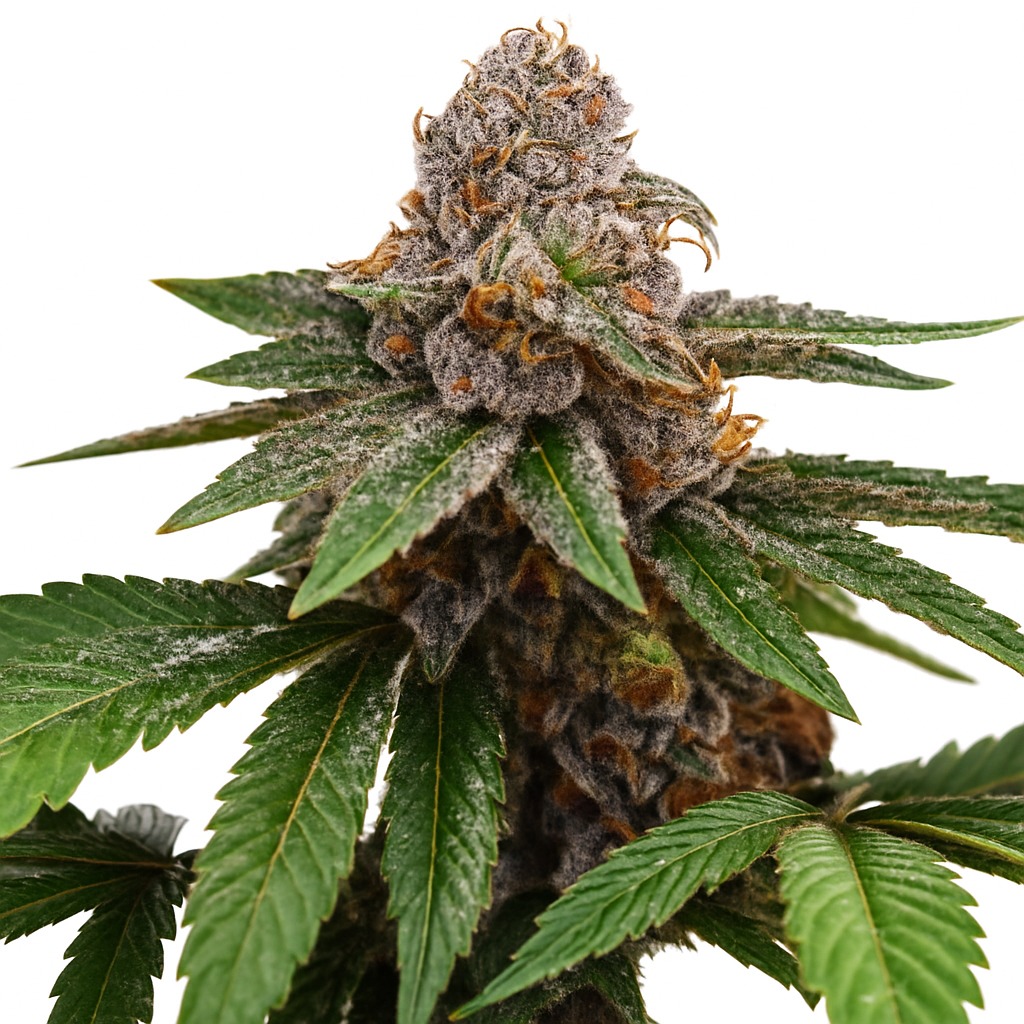
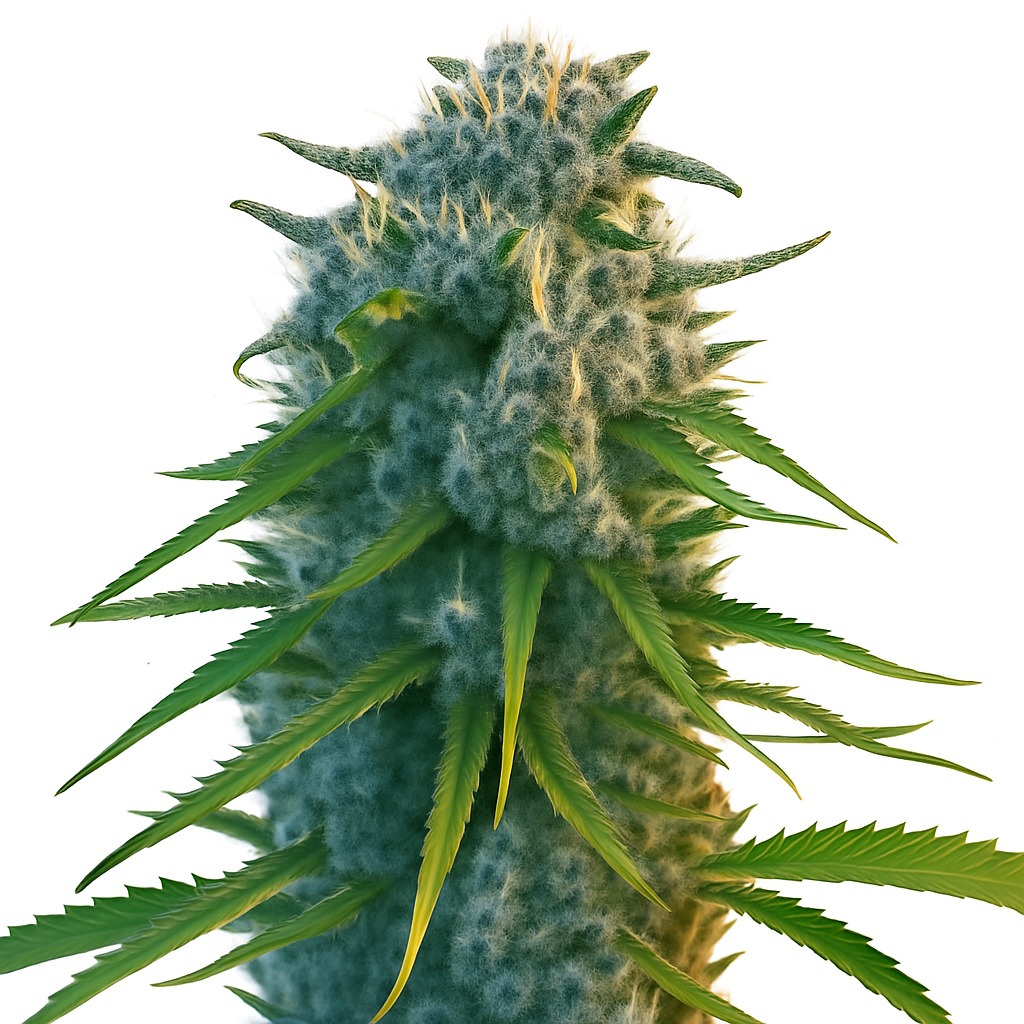
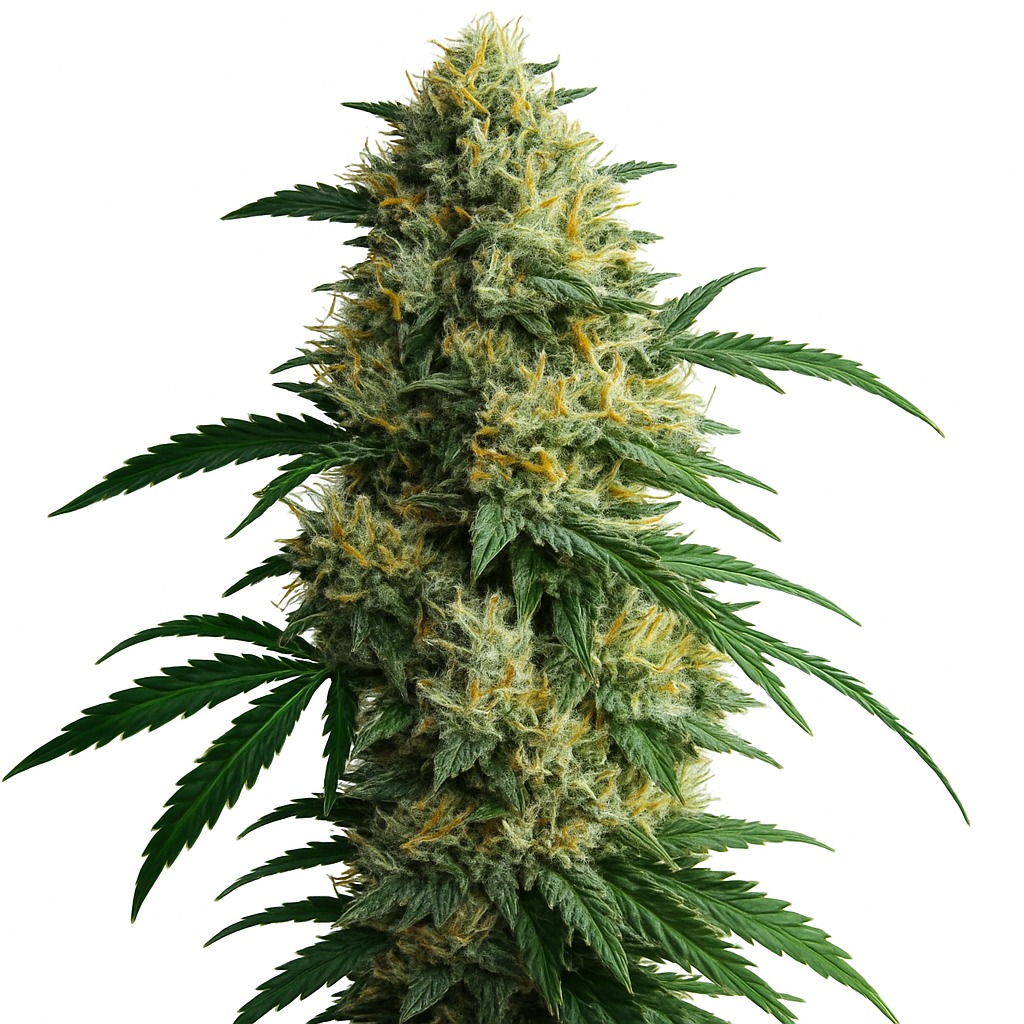
Terpenes are volatile aromatic compounds produced by many plants, not just cannabis. They are responsible for the distinctive scents of lavender, pine trees, citrus fruits, and black pepper. In cannabis, terpenes are synthesized in the same glandular trichomes that produce cannabinoids like THC and CBD.
From a biological standpoint, terpenes serve as a defense mechanism. They deter herbivores, attract pollinators, and protect the plant from environmental stressors such as UV radiation and pathogens. Over 200 different terpenes have been identified in cannabis, though most strains feature a dominant profile of just five to ten.
Unlike cannabinoids, terpenes are not unique to cannabis. This means researchers have been studying their effects in other contexts for decades, providing a solid body of evidence for their therapeutic potential.
Myrcene: The Most Common Cannabis Terpene
Myrcene is the most abundant terpene found in modern cannabis cultivars. It carries an earthy, musky scent with hints of ripe tropical fruit. Myrcene is also found in mangoes, hops, lemongrass, and thyme.
Myrcene is associated with relaxing, sedative effects. Strains high in myrcene are often classified as indica-dominant because of the deep body relaxation they produce. Research suggests that myrcene may enhance the permeability of cell membranes, potentially allowing cannabinoids to cross the blood-brain barrier more quickly.
If you are drawn to deeply relaxing strains, explore our indica strain collection. Many indica-leaning varieties are rich in myrcene and ideal for evening use or managing discomfort.
Myrcene Key Facts
- Aroma: Earthy, musky, herbal, fruity
- Also found in: Mangoes, hops, lemongrass, thyme
- Potential effects: Relaxation, sedation, muscle tension relief
- Boiling point: 332°F (167°C)
- Common strains: OG Kush, Granddaddy Purple, Blue Dream
Limonene: Citrus Uplift
Limonene is the second most common terpene in cannabis and is instantly recognizable by its bright, citrusy aroma. As the name suggests, it is also the dominant terpene in lemon rinds, oranges, and grapefruits.
Studies have linked limonene to elevated mood, stress relief, and potential anti-anxiety properties. It may also support the immune system and has shown promise in preliminary research on anti-inflammatory and anti-fungal activity. Limonene-rich strains tend to produce uplifting, energetic effects that many people enjoy during the day.
Our sativa strain seeds often feature limonene-dominant terpene profiles, making them a great starting point if you are looking for an energizing, creative experience.
Limonene Key Facts
- Aroma: Citrus, lemon, orange
- Also found in: Citrus rinds, juniper, peppermint
- Potential effects: Mood elevation, stress relief, anti-anxiety
- Boiling point: 348°F (176°C)
- Common strains: Super Lemon Haze, Durban Poison, Wedding Cake
Pinene: The Forest Terpene
Pinene is the most common terpene found in nature and comes in two forms: alpha-pinene and beta-pinene. It is responsible for the fresh, sharp scent of pine needles and is also present in rosemary, basil, and dill.
What makes pinene particularly interesting for cannabis users is its potential to counteract some of the short-term memory impairment associated with THC. Research has shown that pinene may act as a bronchodilator at low concentrations, opening airways and potentially improving airflow. It also shows anti-inflammatory properties in scientific literature.
Strains with prominent pinene profiles often produce clear-headed, alert effects. Growers who appreciate woodsy, herbal aromas should look for cultivars like Jack Herer and Blue Dream.
Pinene Key Facts
- Aroma: Pine, fresh, woody, herbal
- Also found in: Pine needles, rosemary, basil, dill
- Potential effects: Alertness, memory retention, bronchodilation
- Boiling point: 311°F (155°C)
- Common strains: Jack Herer, Snoop's Dream, Blue Dream
Linalool: The Calming Terpene
Linalool is best known as the dominant terpene in lavender, which has been used for centuries as a calming agent. In cannabis, linalool contributes a floral, slightly spicy aroma and is associated with sedative, anti-anxiety effects.
Preliminary research suggests linalool may have anticonvulsant and analgesic properties. It is believed to modulate glutamate and GABA neurotransmitter systems, which could explain its calming effects. Cannabis strains high in linalool are often sought out by people looking for relaxation and sleep support.
Linalool-dominant strains tend to fall on the indica side of the spectrum. Browse our indica seeds to find strains with this soothing terpene profile.
Linalool Key Facts
- Aroma: Floral, lavender, slightly spicy
- Also found in: Lavender, coriander, birch bark
- Potential effects: Relaxation, anti-anxiety, sleep support
- Boiling point: 388°F (198°C)
- Common strains: Amnesia Haze, Lavender, LA Confidential
Caryophyllene: The Spicy Terpene
Beta-caryophyllene is unique among terpenes because it can directly activate CB2 cannabinoid receptors in the body. This makes it the only terpene known to function as a dietary cannabinoid. It carries a warm, peppery, spicy aroma and is found in black pepper, cloves, and cinnamon.
Because of its interaction with the endocannabinoid system, caryophyllene has drawn significant research interest for its potential anti-inflammatory and analgesic effects. Some researchers believe it may offer gastroprotective benefits and could be useful in managing symptoms of inflammatory conditions.
Caryophyllene-rich strains are found across both indica and sativa categories. Our full seed shop lets you explore a wide range of genetics that feature this versatile terpene.
Caryophyllene Key Facts
- Aroma: Peppery, spicy, woody, warm
- Also found in: Black pepper, cloves, cinnamon, oregano
- Potential effects: Anti-inflammatory, pain relief, stress relief
- Boiling point: 266°F (130°C)
- Common strains: GSC (Girl Scout Cookies), Gelato, Original Glue
The Entourage Effect: Why Terpenes Matter
The entourage effect is the theory that cannabis compounds work better together than in isolation. Rather than a single cannabinoid driving the experience, the full spectrum of cannabinoids, terpenes, and flavonoids interact synergistically to produce the overall effect of a particular strain.
This is why two strains with identical THC percentages can produce dramatically different experiences. One may be energizing and creative while the other is deeply sedating. The difference often comes down to the terpene profile.
Dr. Ethan Russo's landmark 2011 paper in the British Journal of Pharmacology provided a scientific framework for the entourage effect, documenting how specific terpene-cannabinoid combinations could enhance therapeutic outcomes. For example, the combination of CBD and linalool may amplify anti-anxiety effects, while myrcene may enhance the potency of THC.
How to Choose Strains by Terpene Profile
Now that you understand the major terpenes, you can use this knowledge to select strains that align with your goals.
- For relaxation and sleep: Look for strains high in myrcene and linalool. Indica-dominant varieties from our indica collection are a strong starting point.
- For energy and focus: Seek out limonene and pinene-dominant strains. Our sativa seeds often fit this profile.
- For pain and inflammation: Caryophyllene-rich strains interact directly with the endocannabinoid system and may offer relief.
- For mood elevation: Limonene-dominant strains are frequently associated with uplifted, positive moods.
Remember that individual responses vary. Start with small amounts when trying a new strain and pay attention to how different terpene profiles affect you personally.
Growing for Terpene Production
If you are growing from seed, certain practices can help maximize terpene production. Slight environmental stress during late flowering, such as cooler nighttime temperatures, can boost terpene synthesis. Proper curing after harvest is essential for preserving the delicate volatile compounds.
Explore our shop to find genetics known for rich terpene expression, and pair your seed selection with solid growing practices for the best possible results.
Marcus Chen
Genetics & Breeding Specialist
My Expertise
Marcus has spent over a decade working with cannabis genetics, from landrace preservation to modern hybrid development. His deep understanding of terpene profiles, cannabinoid expression, and phenotype selection informs every strain guide and product review on BudLabz.
I specialize in 3 areas...
Share this post