
What Are Cannabis Terpenes? Effects, Types & Benefits
Learn what cannabis terpenes are, how they influence effects and flavors, the most important terpene types, their medical benefits, and how to select strains by terpene profile.
If you have ever wondered why different cannabis strains smell and feel so different from one another, the answer lies largely in terpenes. These aromatic compounds are responsible for the rich diversity of cannabis flavors and play a significant role in determining the effects of each strain.
In this article, we explain what terpenes are, why they matter, and how you can use terpene knowledge to choose strains that align with your preferences. Visit our seed shop to explore strains with diverse terpene profiles, or use the Strain Finder to match terpene preferences with specific genetics.
Defining Terpenes
Terpenes are a large class of organic compounds produced by a wide variety of plants, insects, and some animals. Chemically, they are built from repeating units of isoprene, a five-carbon molecule. The structural variations in how these isoprene units combine give rise to thousands of distinct terpenes found throughout nature.
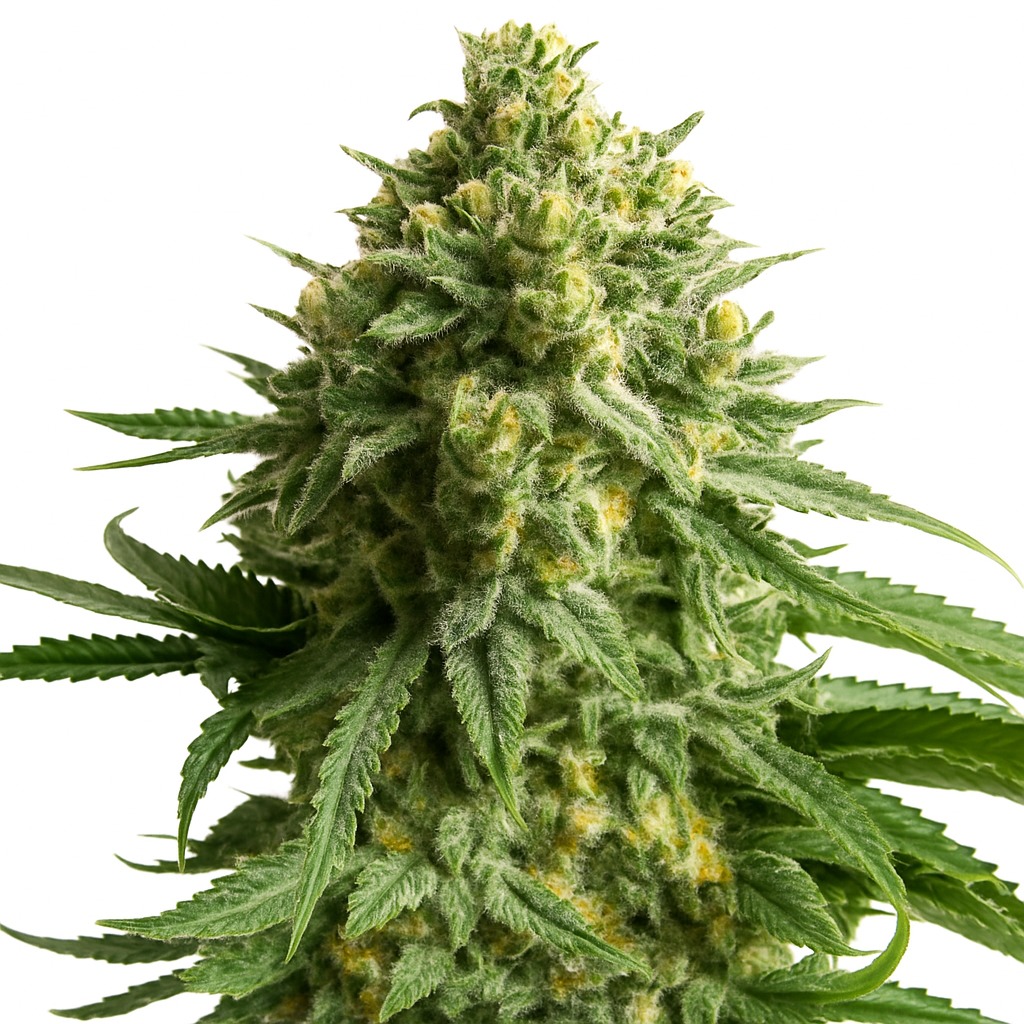
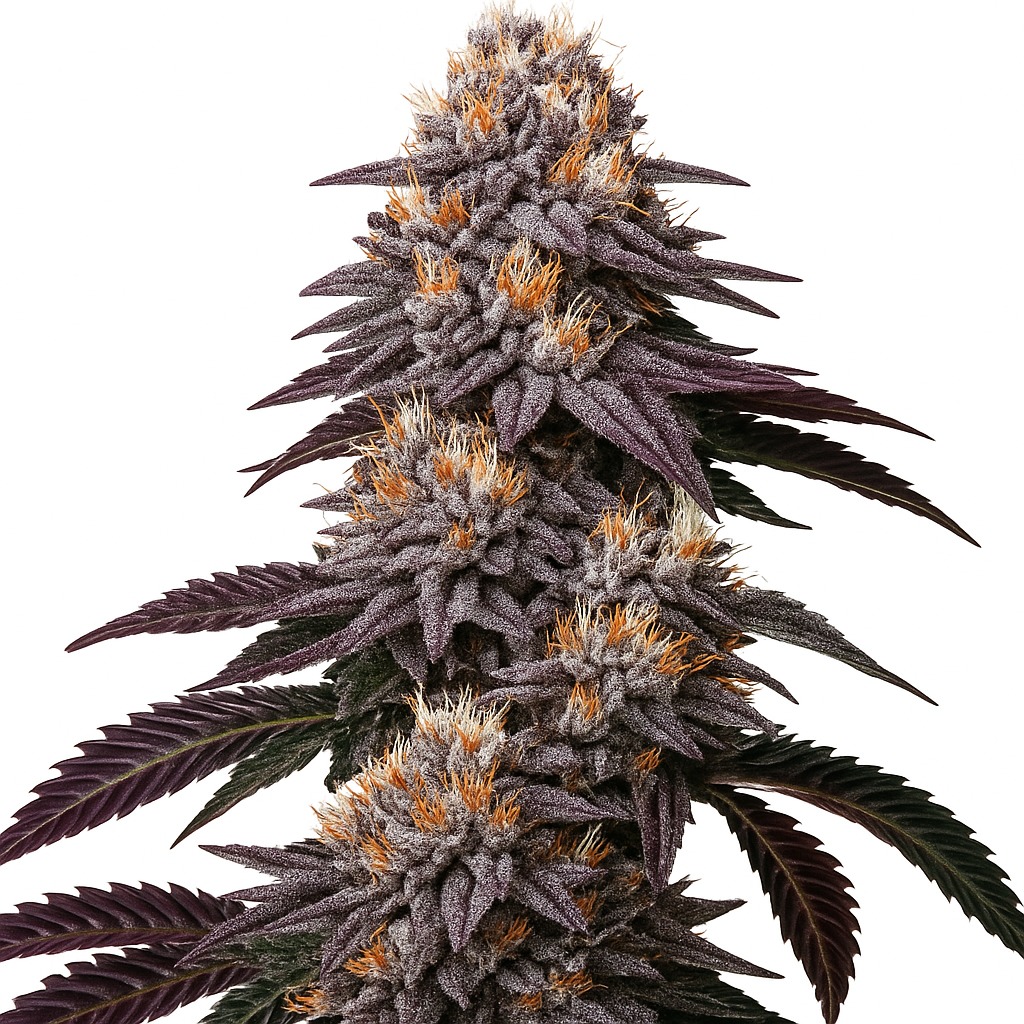
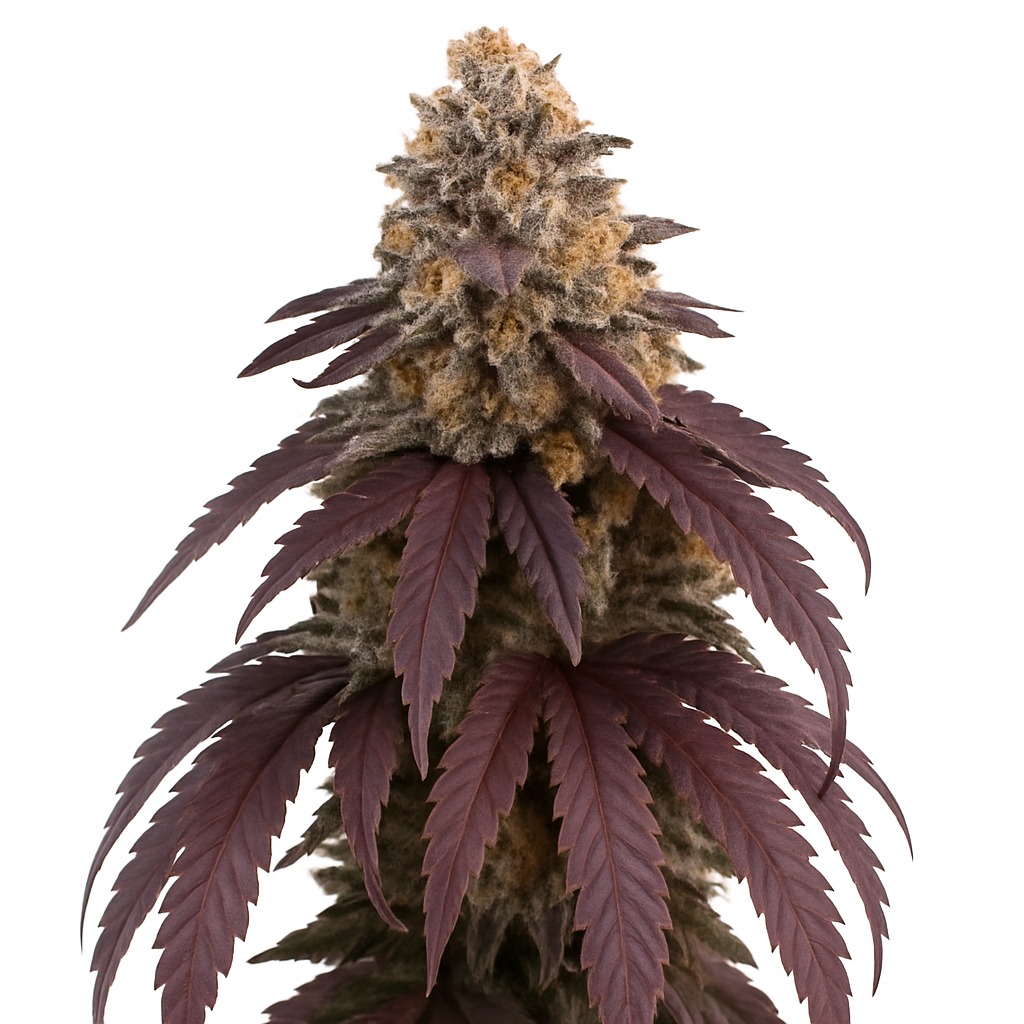
In cannabis, terpenes are produced in the glandular trichomes, the same tiny, mushroom-shaped structures that synthesize cannabinoids like THC and CBD. The terpene profile of a cannabis plant is determined by its genetics, but environmental factors such as temperature, humidity, light spectrum, and soil composition also influence terpene expression.
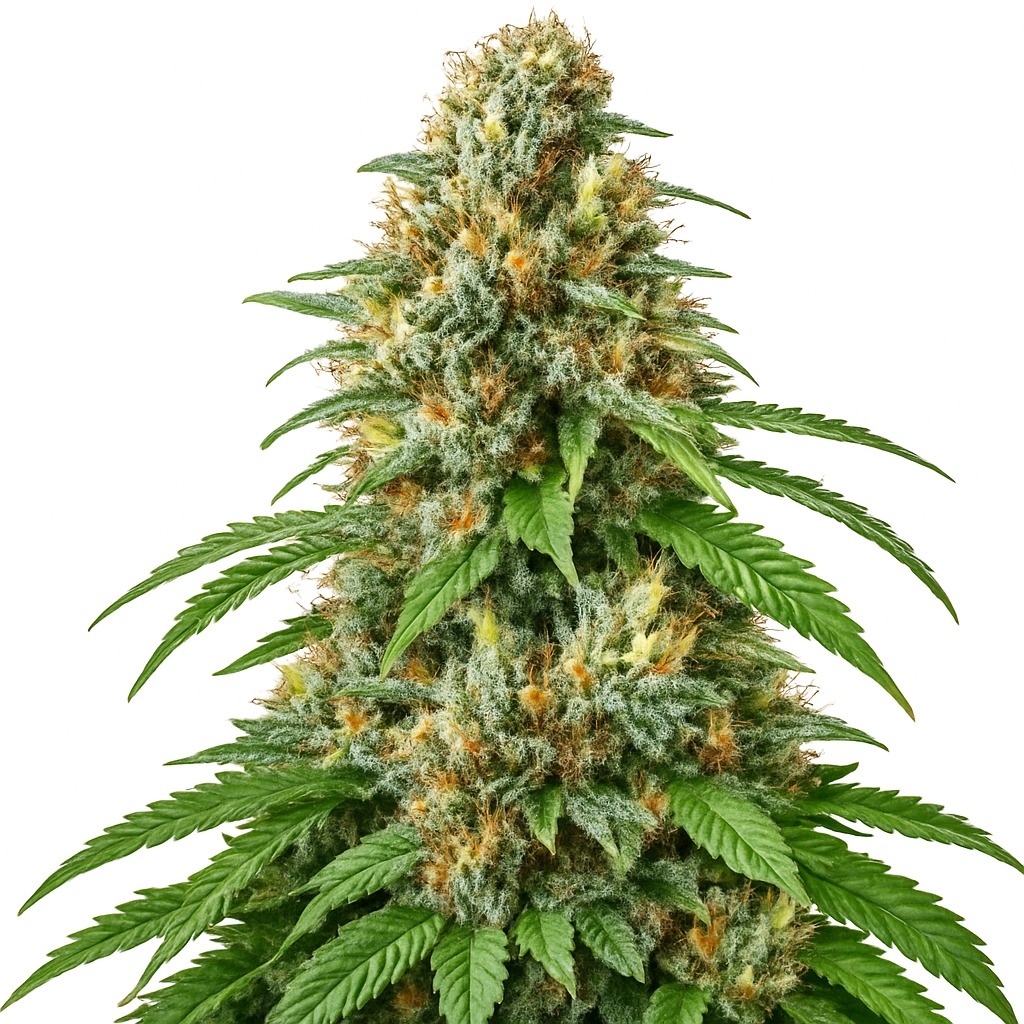
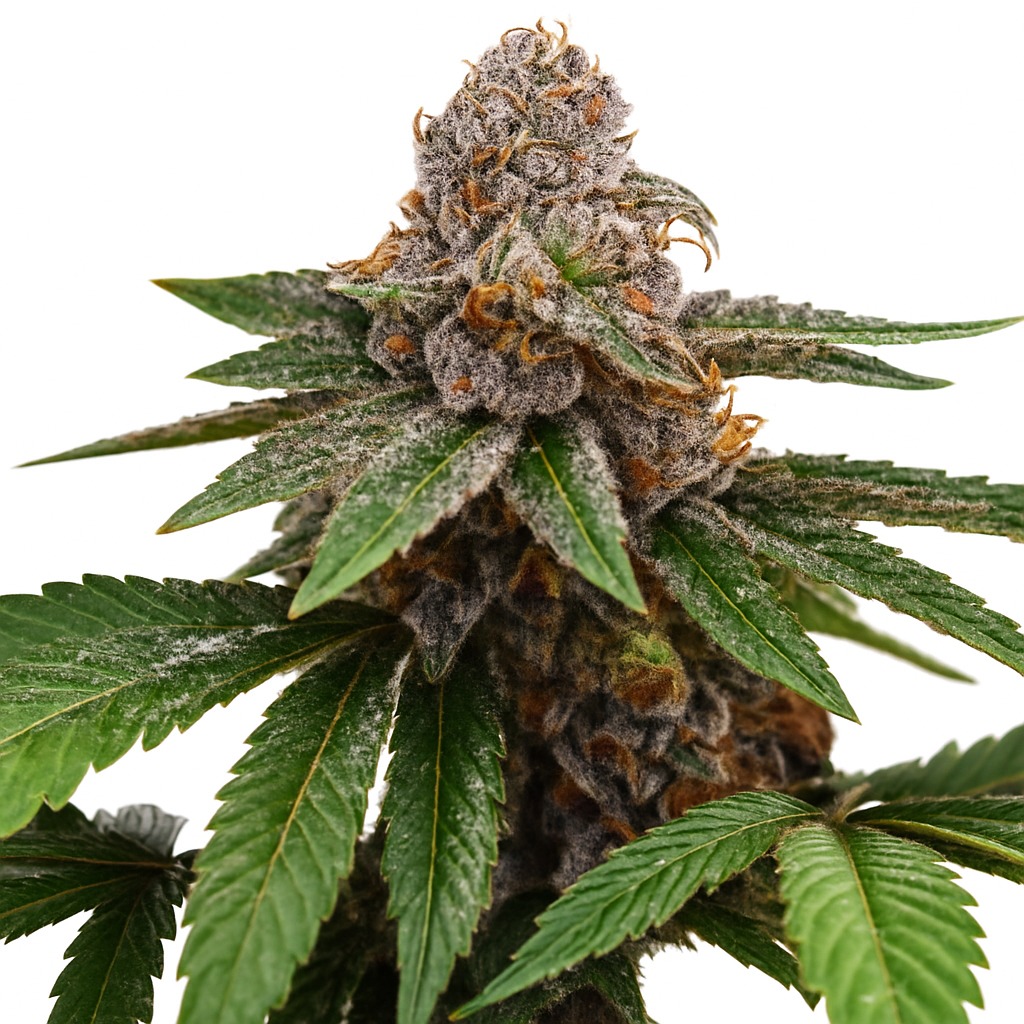
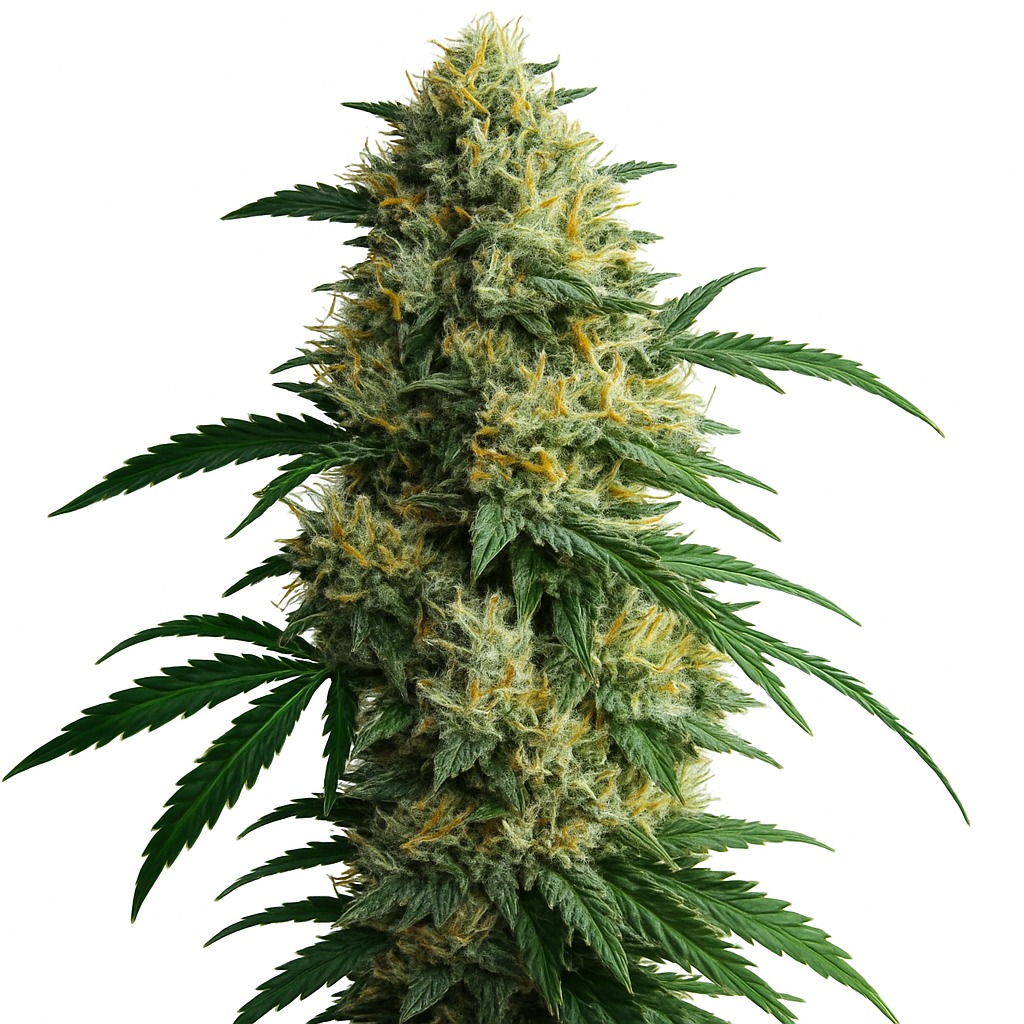
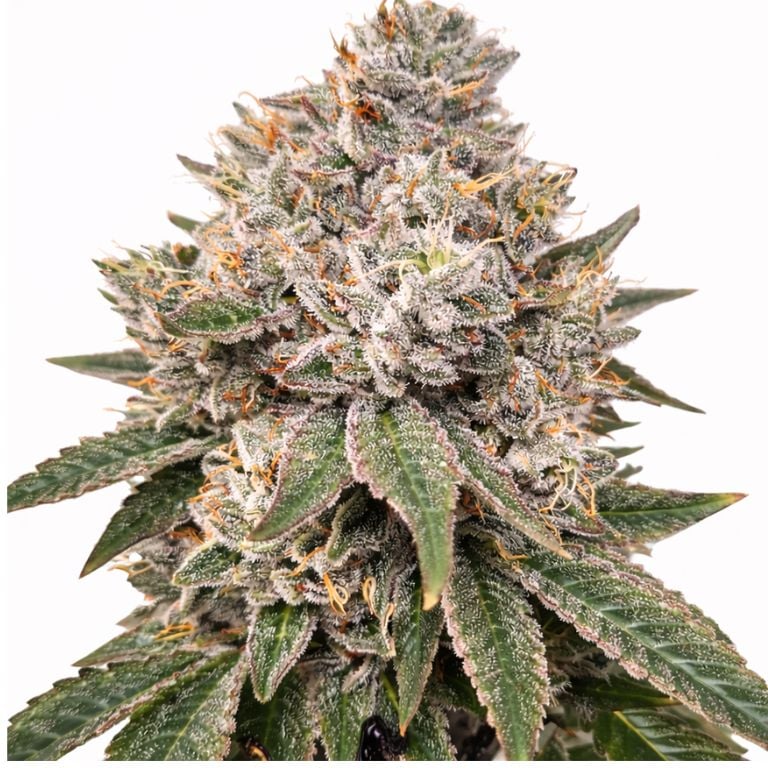
When you open a jar of cannabis and inhale that distinctive aroma, whether it is piney, fruity, earthy, or skunky, you are smelling terpenes. Each strain's unique scent is the result of its specific terpene fingerprint.
Why Terpenes Matter
For years, cannabis consumers focused almost exclusively on THC content as the primary measure of quality and potency. However, research has increasingly demonstrated that terpenes are a critical piece of the puzzle.
The Entourage Effect
The entourage effect is the concept that cannabinoids and terpenes work together synergistically to produce the overall effect of a cannabis strain. A 2011 review by Dr. Ethan Russo published in the British Journal of Pharmacology provided compelling evidence that terpenes can modulate cannabinoid activity, either enhancing or tempering specific effects.
This means that a strain with 20% THC and a limonene-dominant terpene profile will feel very different from a strain with 20% THC and a myrcene-dominant profile, even though the THC content is identical. The terpenes shape the character of the experience.
Beyond Aroma
Terpenes do more than just smell good. Many have been studied for their standalone therapeutic properties. Linalool, for instance, has demonstrated anti-anxiety and sedative effects in animal studies. Caryophyllene interacts directly with the endocannabinoid system through CB2 receptors. Pinene has shown anti-inflammatory activity in laboratory settings.
While more human clinical research is needed, the existing body of evidence strongly suggests that terpenes are pharmacologically active compounds with real effects on the body and mind.
Common Cannabis Terpenes and Their Effects
Although over 200 terpenes have been identified in cannabis, a handful appear most frequently and in the highest concentrations. Here are the most important ones to know.
Myrcene
Myrcene is the most prevalent terpene in modern cannabis varieties. It carries a distinctly earthy, musky scent with hints of ripe fruit and cloves. Myrcene is also abundant in mangoes, hops, and lemongrass.
Effects associated with myrcene include deep physical relaxation, sedation, and muscle tension relief. Strains with more than 0.5% myrcene by weight tend to produce the classic indica-type body effects. Our indica strain collection features many myrcene-rich varieties.
Limonene
Limonene provides the bright, citrusy aroma found in many popular strains. It is the same terpene that gives lemons, oranges, and grapefruits their characteristic scent.
Research connects limonene to mood elevation, stress reduction, and anti-anxiety effects. Some studies suggest it may also have anti-fungal and antibacterial properties. Limonene-dominant strains tend to produce uplifting, energetic experiences.
Caryophyllene
Beta-caryophyllene stands out because it is the only known terpene that binds directly to CB2 cannabinoid receptors in the human body. This unique property makes it function as a dietary cannabinoid in addition to being a terpene.
Caryophyllene has a warm, spicy, peppery aroma. It is found in black pepper, cloves, cinnamon, and oregano. Its interaction with the endocannabinoid system has prompted research into its potential for managing inflammation, pain, and anxiety.
Pinene
Pinene, available in alpha and beta forms, is the most widely distributed terpene in the natural world. It is responsible for the sharp, fresh scent of pine forests and is also found in rosemary, basil, and parsley.
Research suggests pinene may counteract some of the memory impairment associated with THC. It has also shown potential as a bronchodilator and anti-inflammatory agent. Strains high in pinene often produce alert, clear-headed effects.
Linalool
Linalool is the signature terpene of lavender and has been used in aromatherapy for centuries. In cannabis, it contributes a delicate floral scent with subtle spicy notes.
Scientific studies have investigated linalool for its anti-anxiety, sedative, and anticonvulsant properties. It may modulate neurotransmitter systems involved in mood and relaxation. Cannabis users seeking calming, sleep-promoting effects often gravitate toward linalool-rich strains.
Humulene
Humulene shares a similar chemical structure with caryophyllene and is found in hops, sage, and ginseng. It has an earthy, woody, slightly spicy aroma.
Preliminary research has explored humulene for anti-inflammatory and appetite-suppressant properties. Unlike many cannabis compounds that stimulate appetite, humulene may actually help regulate it.
Terpinolene
Terpinolene is less common than the other major terpenes but produces a distinctive, complex aroma that blends floral, herbal, piney, and slightly citrus notes. It is found in nutmeg, tea tree, lilacs, and apples.
Strains with terpinolene are often described as producing uplifting, creative effects. Despite being less prevalent, terpinolene-dominant strains have a dedicated following among connoisseurs who appreciate their unique character.
Medical Benefits of Terpenes
The therapeutic potential of terpenes extends beyond their interaction with cannabinoids. Individual terpenes have been studied for specific medical applications, and the results are promising.
Anti-Inflammatory Properties
Multiple terpenes, including caryophyllene, pinene, and humulene, have demonstrated anti-inflammatory effects in preclinical studies. Chronic inflammation is linked to numerous health conditions, making these terpenes of particular interest to medical researchers.
Pain Management
Linalool, caryophyllene, and myrcene have all shown analgesic properties in animal models. The combination of these terpenes with cannabinoids like THC and CBD may enhance pain-relieving effects through multiple complementary mechanisms.
Anxiety and Mood
Limonene and linalool have the strongest evidence base for anti-anxiety effects. Limonene has been studied in clinical settings for its mood-elevating properties, while linalool's calming effects are well-documented in aromatherapy research.
Antimicrobial Activity
Several cannabis terpenes, including pinene, limonene, and terpinolene, have shown antimicrobial activity against various bacteria and fungi. While this does not mean cannabis should be used as an antibiotic, it adds another dimension to the plant's therapeutic complexity.
How to Choose Strains by Terpene Profile
Armed with knowledge about terpenes, you can make more informed strain selections that align with your desired experience.
For Relaxation and Sleep
Look for strains dominant in myrcene and linalool. These terpenes are most commonly found in indica-leaning varieties. Strains like Granddaddy Purple, Northern Lights, and Lavender are known for their relaxing terpene profiles. Check our indica seeds for options.
For Energy and Creativity
Seek out limonene, pinene, and terpinolene-dominant strains. Sativa-leaning genetics like Super Lemon Haze, Jack Herer, and Durban Poison tend to be rich in these uplifting terpenes.
For Pain and Inflammation
Caryophyllene-rich strains interact directly with the endocannabinoid system and may offer the most targeted relief. GSC (Girl Scout Cookies), Original Glue, and Bubba Kush are known for their caryophyllene content.
For Balanced Effects
Strains with a diverse terpene profile rather than a single dominant terpene often produce the most nuanced, well-rounded experiences. These multi-terpene profiles leverage the entourage effect most effectively.
Preserving Terpenes in Your Cannabis
Terpenes are volatile compounds that degrade with exposure to heat, light, and air. If you are growing your own cannabis, proper drying and curing are essential for preserving the terpene profile you worked hard to cultivate.
Dry your harvest slowly at 60-65°F with 55-65% humidity over 7-14 days. Cure trimmed buds in sealed glass jars, opening them briefly each day for the first week to release excess moisture. Store finished cannabis in a cool, dark place in airtight containers.
When consuming, lower temperatures preserve more terpenes. Vaporizers set between 315-440°F allow you to taste and benefit from the full terpene spectrum without combustion.
Start Exploring Terpenes
Understanding terpenes transforms how you experience cannabis. Instead of choosing strains by name recognition or THC percentage alone, you can select genetics based on the specific effects and flavors you enjoy most.
Browse our seed shop to explore strains with diverse terpene profiles, or use the Strain Finder to match your preferences with the right genetics. The more attention you pay to terpenes, the more satisfying your cannabis experience becomes.
Elizabeth Johnson
Head of Cultivation
My Expertise
With over 15 years of hands-on cannabis cultivation experience, Elizabeth specializes in organic growing methods and sustainable farming practices. Based in the Pacific Northwest, she has developed proprietary soil blends and integrated pest management systems used by commercial growers across North America.
I specialize in 3 areas...
Share this post